

Research Proposal
Client: Gymshark
Researcher: Jack Wiehn
BACKGROUND
This research proposal is for Gymshark, which is a global fitness apparel and accessories brand known for its stylish, performance-driven activewear and strong digital community engagement. I’ve selected this client because many of my friends wear Gymshark activewear to the gym, and I would like to work on an apparel brand in the future.
For this research proposal, I would be researching to see if Gymshark would increase sales if it collaborated with a college brand, like the University of Nebraska or Louisiana State University. This would include Gymshark apparel with college branding and colors, being sold to the university population at campus stores and online. Within the past year, Lululemon, an athleticwear brand, has done similar collaborations, with its most recent collaboration being with the University of Nebraska. With a similar idea already in use, there is a lot of data relating to revenue increases, and it provides opportunities to talk with current students about the idea.
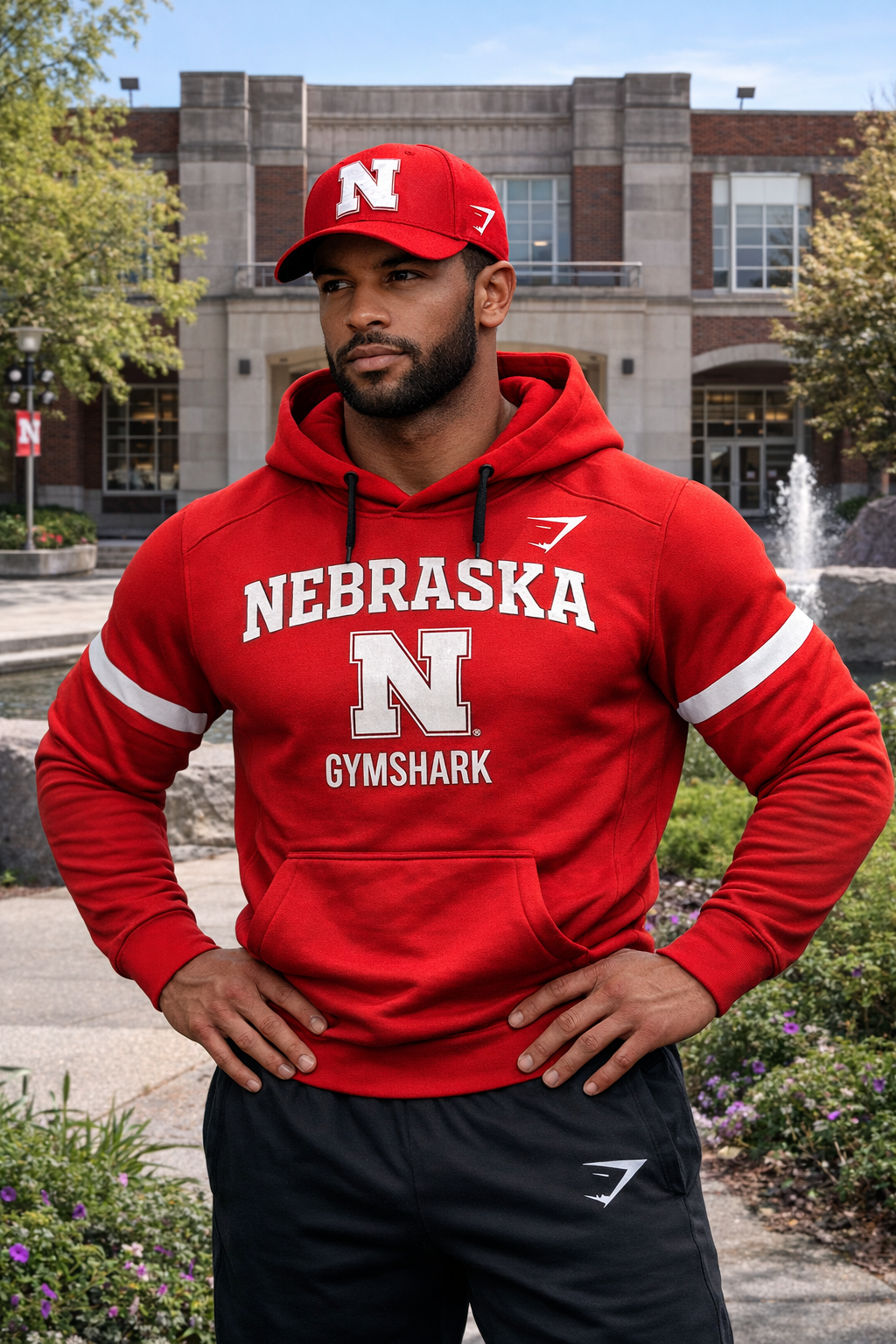
Image Credit: AI-generated using ChatGPT (OpenAI), 2026.
RESEARCH OBJECTIVE
To understand if collaborating with college brands would increase revenue for Gymshark.
RESEARCH QUESTIONS
1. How much does cost play a factor in whether a student purchases activewear?
2. Would male college students purchase college branded activewear?
3. Does brand loyalty influence a college students’ decision to purchase college-branded activewear?
4. What factors influence college students' preference for branded activewear over non-branded options?
5. How does Gymshark’s brand perception compare to competitors among college students?
SECONDARY RESEARCH
The athletic apparel industry remains strong, with Adidas and Lululemon gaining traction while Nike sees a decline in mindshare, though it remains the top brand among male college students. Gymshark offers a 15% student discount and exceeded its 2024 sales projections, reaching $403.8 million in 2023. The use of discount codes has surged, with a 93% increase in generation and a 142% revenue boost from 2019 to 2020. Lululemon has successfully entered the collegiate market, launching a collaboration with the University of Michigan in 2021 and expanding its appeal to men, with sales nearly evenly split between gendershttps://www.bestcolleges.com/news/college-lululemon-inside-brands-campus-takeover/. Popular products include the belt bag, men’s ABC pants, and women’s scuba hoodie. Additionally, students' apparel choices vary between casual wear and event-specific outfits, highlighting the need for versatile branding. Seasonal trends show increased interest in athletic apparel during November and December, likely driven by holiday shopping and seasonal promotions.
While secondary research gives us valuable insights into market trends, brand performance, and consumer behavior, it has some limitations that require the need for primary research. The data may be outdated with the most recent hard data being from 2023. It may also lack specificity for our target audience or fail to capture the evolving consumer preferences in real time. Also, broad industry reports do not always reflect regional differences or niche market segments. For example, while Lululemon's growing popularity among men is evident, secondary data does not reveal the specific factors driving this shift or how it compares to other brands in our target locations. Primary research, such as surveys, interviews, and focus groups, is needed to gather insights on consumer motivations, preferences, and behaviors. This will help us refine our marketing strategies and ensure they align with our target audience's actual needs and perceptions.
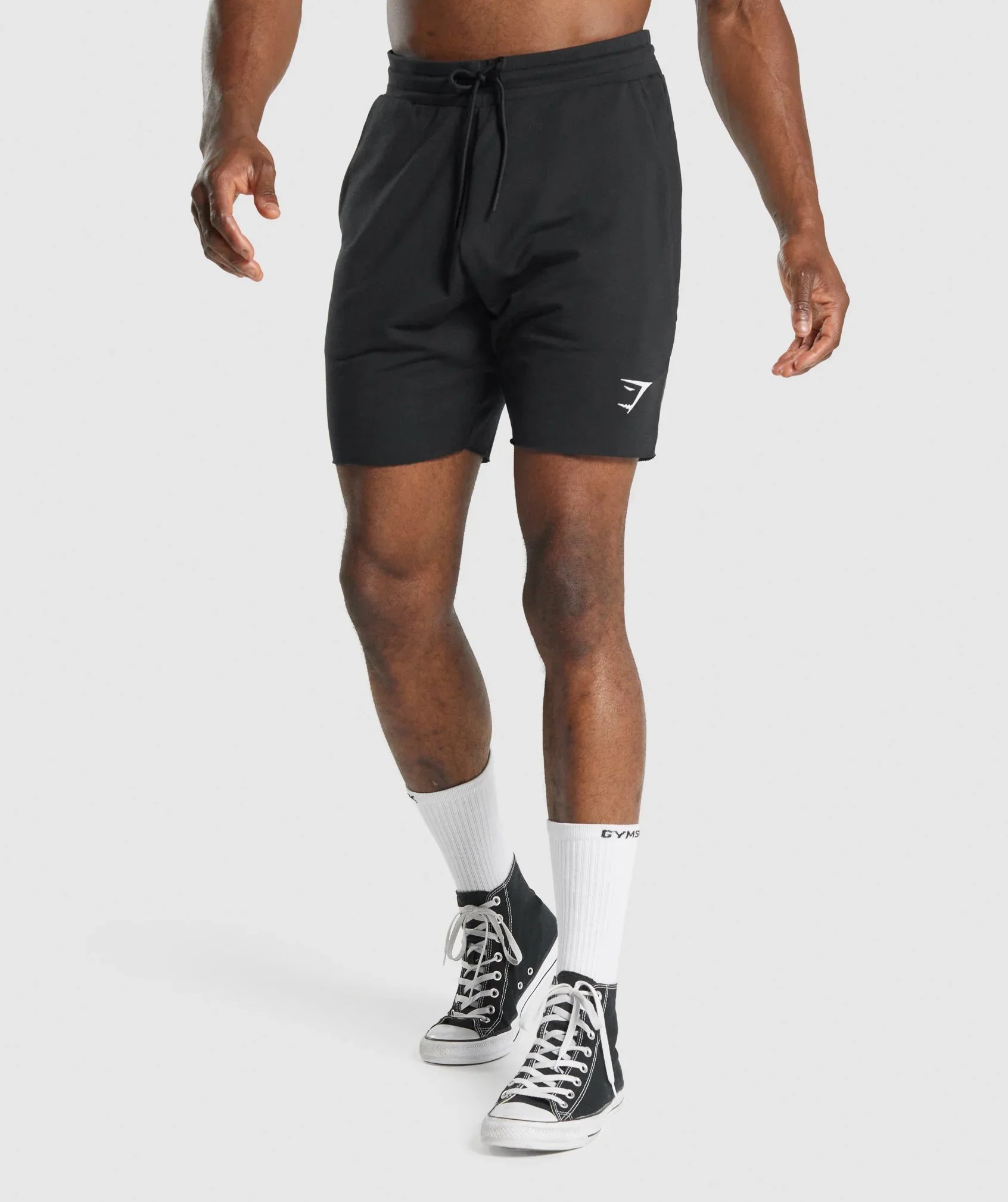
Product Reference: Gymshark Critical Shorts – Black (Gymshark)
PRIMARY RESEARCH METHODS
To meet the needs of the research objective, I will be employing a combination of exploratory and descriptive research. This type of research is necessary because we are both discovering new insights (such as how students perceive Gymshark and their interest in college-branded collaborations) and quantifying those insights to assess potential market opportunities. Exploratory research will help us better understand students’ behaviors, motivations, and preferences, while descriptive research will allow us to measure trends, levels of interest, and purchase intentions across different demographics.
I will be collecting both qualitative and quantitative data.
Specifically, I will be using focus groups, one-on-one interviews and online surveys. I will be using these methods of primary research because surveys will allow me to gather a broad range of responses from a large and diverse student sample, helping to answer quantitative questions such as how much cost influences students' activewear purchases, whether male students would be interested in college-branded apparel, and what factors drive preferences for branded versus non-branded activewear. Focus groups will provide space for open discussion and deeper insight into student motivations, peer influence, and opinions about potential Gymshark college collaborations. This method will help explore the role of brand loyalty and gauge reactions to co-branded merchandise. Additionally, one-on-one interviews will offer an opportunity to dive deeper into individual experiences and emotional connections to activewear brands, especially in understanding how Gymshark’s brand perception compares to competitors like Nike, Adidas, and Lululemon. By combining these methods, I will be able to cross-validate findings, uncover emerging themes, and deliver a comprehensive understanding of how a college collaboration could influence Gymshark’s appeal and revenue among university students.
-
Sampling Statement
Our focus group sample will consist of college students between the ages of 18 and 24 who attend four-year universities in the United States. Psychographically, participants should have an active lifestyle, regularly engage in fitness or sports, and express interest in fashion-forward or branded athletic wear. We propose conducting two focus groups of 6–8 participants each, totaling 12–16 students. Participants will be recruited through university fitness centers, student organization newsletters, and targeted social media posts on platforms like Instagram and Snapchat. To incentivize participation, each student will receive a $25 digital gift card and a chance to win a Gymshark apparel bundle via a post-session raffle.
Focus Group Moderator Guide
Introduction (Moderator Script)
Hello everyone and thank you for being here today. My name is [Moderator Name], and I’ll be leading today’s discussion. This session is part of a research study on how Gymshark can better serve college students—especially through potential collaborations with college brands.
I want to emphasize that there are no right or wrong answers—we’re here to hear your honest opinions and experiences. Everything shared will be kept confidential, and your names won’t be connected to anything in our final reporting. We will be taking notes and recording our conversations.
A few ground rules:
· Please speak one at a time so we can capture everything.
· Feel free to agree or disagree respectfully—diverse opinions are valuable.
· This is a relaxed conversation, so have fun with it!
· [Moderator: Introduce notetaker if applicable, e.g., “This is [Notetaker’s Name], who will be taking notes so I can focus on our discussion.”
Ice Breaker Activity
“Pick Your Gym Fit”
Let’s go around the room and introduce ourselves by name, school you attend, year in school, and your go-to outfit when heading to the gym or a workout class.· [Moderator: Note styles and any mention of brands—this may hint at brand perception early on.]
Open-Ended Discussion Questions
1. Tell me about the last time you bought activewear. What brand was it and why did you choose it?
[Moderator: Probe for price, quality, style, and any emotional connections to the brand.]2. When it comes to gym clothes, what matters most to you—style, price, performance, or brand identity?
[Moderator: Ask for examples. “Can you describe a time when that factor influenced your purchase?”]3. Are you familiar with Gymshark? What comes to mind when you hear that brand name?
[Moderator: Probe for positive and negative perceptions.]4. How do you feel about clothing that represents your college—like hats, hoodies, or T-shirts? Would you wear activewear branded with your school?
[Moderator: Explore pride, identity, and appeal.]5. Would you be more or less likely to buy Gymshark if it released a line of apparel branded with your college? Why?
[Moderator: Probe price sensitivity, style appeal, and brand fit.]6. What platforms or methods do you usually use to discover or buy activewear?
[Moderator: Note responses—Instagram, TikTok, website, influencers, in-store, etc.]7. How much would you typically spend on gym clothes in a month or semester?
[Moderator: Use this to understand pricing comfort zones.]Focus Group Activity – “Brand Buildout”
Instructions to Participants:
We’re going to split into small groups of 2–3. Imagine you’re part of Gymshark’s student marketing team and are designing a college-branded line. You’ll create a concept for one item of apparel that would appeal to you and your peers.Your concept should include:
· The type of apparel (e.g., hoodie, joggers, compression shirt)
· The design and color scheme (does it include school colors/logos?)
· The price point
· A brief tagline or campaign message
· Take 5–7 minutes to collaborate, and then we’ll share ideas with the full group.
[Moderator: Circulate during the activity to listen in and spark ideas if needed. After the group presentations, summarize key themes and reactions.
Wrap-Up & Thank You
· Thank you all so much for your time and ideas today! Your input is incredibly helpful and will shape how Gymshark considers potential college partnerships in the future. Don’t forget to grab your gift card on the way out—and good luck in the raffle for the Gymshark bundle!
· [Moderator: Be sure to thank them again. Notetaker should compile key quotes and identify emerging patterns.]
-
Interview Requirements
Sampling Statement
Our interview sample will consist of college-aged students between the ages of 18 and 24 who actively participate in fitness activities and express a clear interest in stylish or branded athletic wear. Psychographically, these students are likely to be image-conscious, trend-aware, and socially active, often influenced by social media and peer recommendations. We recommend conducting 5–7 one-on-one interviews to allow for in-depth personal insights. Participants will be recruited through targeted outreach on campus (e.g., gym bulletin boards, rec center staff, fraternity wellness chairs) and digital student networks. To incentivize participation, each interviewee will receive a $20 digital gift card and be entered into a raffle for a Gymshark apparel giveaway.
Interviewer Guide
Introduction (Interviewer Script)
Hello! Thanks for taking the time to meet with me today. My name is [Interviewer Name], and I’m working on a research project to explore how Gymshark can better serve college students like yourself, especially through collaborations with universities and branded college apparel.
This conversation should take about 15–30 minutes. There are no right or wrong answers, we just want your honest thoughts and experiences. Everything you say will be confidential, and your responses will only be used for research purposes. If any of the questions feels unclear or you'd like to skip a question, that's totally fine just let me know. Ready to get started? Do you mind if I record this interview?
Open-Ended Interview Questions
What is your name?
How old are you?
What college do you attend?
What year are you in college?
Do you follow your college’s or another college’s sports team?
Can you tell me a little about your fitness habits, how often do you work out, and what kind of activities do you usually do?
[Probing question question: What motivates you to work out? Gym culture? Social reasons?]When you're picking out clothes to work out in, what’s most important to you?
[Probing question question: Is it more about comfort, brand, style, function, or something else?]What activewear brands do you currently wear and why?
[Probing question question: What made you choose them? What do you like/dislike about them?]How much are you willing to spend on your activewear or gym clothes?
How familiar are you with Gymshark? What do you think about the brand?
[Probing question: Have you ever bought anything from them? Why or why not?]If Gymshark came out with a line of college-branded gym clothes—featuring your school’s name, colors, mascots, or logos—would that be something you'd be interested in? Why or why not?
[Probing question: Would that feel more personal? Would it change how you view Gymshark?]How much would you be willing to spend on branded college activewear from a brand like Gymshark?
[Probing question: Would you expect it to be cheaper, premium-priced, or match other gear you’ve bought?]Where do you usually hear about or shop for activewear?
[Probing question: Are you influenced by social media, athletes, or campus influencers?]What would make a college-branded product stand out enough for you to buy it?
[Probing question: Is it a unique design, limited drop, influencer campaign, comfort?] -
Sampling Statement
Our survey sample will focus on college students in the United States between the ages of 18 and 24 who participate in fitness-related activities and are likely to wear branded or stylish activewear. Psychographically, these individuals are socially influenced, health-conscious, and trend-aware, often engaging with athletic or fashion content on social media.
There are approximately 19 million college students in the U.S. This estimate was determined using data from the National Center for Education Statistics. 1,928,283 viewed the gymshark website.
For this study, the target population size is estimated to be 1,928,283. The target population size is estimated to be 1,847. At the 99% confidence level, this study will have a margin of error of +/- 3.0%
Survey Instrument
Introduction
Thank you for taking a few minutes to complete this survey! We're conducting research to better understand college students' interest in branded athletic wear and how a partnership between Gymshark and universities might be received. Your responses are anonymous and will only be used for research purposes. This survey should take no more than 5 minutes.
Please complete the survey by [Due Date].Screening Questions
Are you currently a college student at a four-year university?
Yes
No (If no, end survey)
What is your age?
Under 18 (If selected, end survey)
18–24
25+ (If selected, end survey)
Survey Questions
How often do you purchase activewear?
Weekly
Monthly
A few times a semester
Rarely
Never
What brands of activewear do you currently own or wear regularly? (Select all that apply)
Nike
Adidas
Gymshark
Under Armour
Lululemon
Other (please specify): __________
How familiar are you with the brand Gymshark?
Very familiar
Somewhat familiar
Heard of it but don’t know much
Never heard of it
Would you be interested in purchasing Gymshark apparel that featured your college’s name or colors?
Yes
Maybe
No
How much would you be willing to spend on a high-quality, branded college activewear item (e.g., hoodie, joggers, or performance tee)?
Under $25
$25–$39
$40–$59
$60+
Where do you usually shop for activewear? (Select all that apply)
Brand websites
Amazon
In-store (e.g., sporting goods or retail stores)
Instagram/TikTok shops
Campus bookstore
Other (please specify): __________
What would make you more likely to buy college-branded Gymshark apparel? (Open-ended)
Demographic Questions
What is your gender?
Male
Female
Non-binary
Prefer not to say
What is your academic year?
Freshman
Sophomore
Junior
Senior
Graduate student
What school do you attend? (Open-ended)
This is a class project completed for Applied Research in Advertising and Public Relations / ADPR 381 at the University of Nebraska–Lincoln. It was not commissioned by a client and was developed solely for academic purposes.
Some visuals and concepts in this portfolio were generated or enhanced using AI tools, including ChatGPT (OpenAI). These tools were used to support ideation, visualization, and creative exploration. All final work reflects my own strategic thinking, design direction, and creative judgment.